
GRC Immersion Cooling: How It Works and Why It Matters

GRC is a US-origin single-phase immersion cooling vendor, and its systems replace air cooling by transferring server heat directly into non-conductive dielectric fluid. The commercial signal is clear: GRC, DCV Industries, and Dell Technologies launched a Middle East collaboration in Dubai on 17 October 2023, making the UAE an important regional milestone for immersion deployment.
For Gulf operators, the decision isn't whether immersion cooling works in principle. It's whether your workload density, facility design, operating model, and procurement controls justify changing the way you build and run a data hall. The UAE has now moved beyond announcements. In 2026, XDS Data Centres inaugurated a 1MW immersion-cooled facility, while its UAE roadmap includes two 7MW facilities planned for handover in 2026. Its Saudi plans include an initial 10MW immersion-cooled data centre across Riyadh and Jeddah, with rack densities up to 368kW. These are infrastructure decisions, not laboratory demonstrations. (Data Center Dynamics reports the XDS UAE milestone and GCC expansion)
What GRC Immersion Cooling Actually Is
GRC, or Green Revolution Cooling, supplies a single-phase immersion cooling platform. Servers are placed inside tanks filled with dielectric fluid, a liquid that doesn't conduct electricity like water and can absorb heat without shorting the equipment. Unlike two-phase systems, the fluid remains liquid during operation, so pumps or natural circulation move the warmed fluid towards heat-rejection equipment.
The practical buying decision is broader than purchasing a tank. You're evaluating an integrated thermal architecture that can include:
Dielectric fluid, selected for thermal performance, material compatibility, handling, and end-of-life recovery.
Immersion tanks, which house the servers and provide the primary heat-transfer surface.
Heat exchangers or cooling distribution units, which connect the tank loop to the facility's external heat-rejection system.
Controls and monitoring, which track fluid temperature, flow, alarms, and facility conditions.
Integration services, covering server preparation, cabling, commissioning, maintenance, and operational procedures.
The Dubai announcement combined GRC's patented single-phase immersion approach with DCV Industries' containerised enclosures and Dell Technologies' server technology. The partners positioned the solution to reduce data-centre build, maintenance, and power costs compared with traditional air-cooled facilities, particularly for high-density deployments in the Middle East. (GRC's October 2023 Dubai announcement)
What you're buying instead of conventional cooling
Air-cooled halls depend on fans, room airflow, CRAC units, containment, filters, and often chilled-water infrastructure. Direct-to-chip systems attach cold plates to selected components and retain more conventional server architecture. GRC immersion changes the physical relationship between the server and the facility: the entire server is placed into fluid, while power and network connections remain accessible above the liquid line.
That distinction affects facilities, warranties, service procedures, and asset records. Your IT governance, risk, and compliance planning should therefore treat immersion as an operating-model change, not merely a cooling-equipment refresh.
How Single-Phase Immersion Cooling Moves Heat
Single-phase immersion moves heat through a closed thermal loop:
Components generate heat. CPUs, GPUs, memory, and power circuitry transfer heat into the surrounding dielectric fluid.
The fluid warms. Natural convection or pumped circulation carries warmer fluid away from the servers.
A heat exchanger removes the heat. A side-arm CDU or similar exchanger transfers heat from the dielectric loop to a secondary facility loop.
The facility rejects heat outdoors. Dry coolers or another heat-rejection system discharge heat without forcing room air through every server.
Air cooling follows a longer path. Fans move air across components, the air carries heat into the room, CRAC units remove it, and the facility rejects that heat. Each stage consumes fan power and introduces airflow controls, pressure losses, and hot-spot risk. Immersion places the heat-transfer medium directly around the hardware, making it well suited to dense AI and GPU clusters.
Gulf operating data cites a 1.02–1.10 PUE range for single-phase immersion. It also places cooling overhead at 2–10% of IT load, compared with 80–120% for air-cooled designs. (Gulf immersion cooling operating data) Desert conditions still affect the external heat-rejection system. They have less influence on the server thermal profile because heat rejection depends less on room air.
Density is the strategic advantage
GRC deployment notes cite 50–250kW per rack for immersion, compared with 10–15kW in conventional air-cooled aisles. Treat these figures as a design envelope, not an RFP guarantee. Validate them against server configuration, tank design, facility power, cable layout, heat rejection, and the service model.
For a CIO, the procurement question is straightforward. Can immersion place more compute in the existing footprint, or support a smaller greenfield hall for AI workloads? Compare usable compute capacity per square metre, per megawatt, and per operational team, not just tank cost against CRAC cost.
The same thermal-management principle applies beyond data centres. For context on liquid-based heat control in energy systems, battery thermal management in Australia provides a useful comparison point where temperature stability affects equipment performance.
TCO and Energy Impact for AI Workloads
The strongest financial argument for GRC immersion is the operating gap between the cooling system and the IT load. Gulf operating data places immersion cooling overhead at 2–10%, compared with 80–120% for air-cooled designs. For a representative 10MW installation, the same source estimates annual cooling-energy savings of about $4–6 million. (Regional energy and PUE analysis)
That estimate is directional, not a purchase-order commitment. Your business case still needs local electricity tariffs, load factor, heat-rejection architecture, maintenance labour, fluid-management costs, and the value of additional compute capacity. A credible model should separate direct savings from capacity benefits.
A practical comparison
Cost Line | Air Cooling (USD/yr) | GRC Immersion (USD/yr) |
|---|---|---|
Cooling electricity | Higher, with cooling overhead roughly 80–120% of IT load | Lower, with cooling overhead roughly 2–10% of IT load |
Chiller and CRAC operation | Required according to facility design | Reduced or avoided where the external heat-rejection design permits |
Water-related operation | May be material where chilled-water or evaporative systems are used | Can support water-free heat rejection, subject to final facility design |
Cooling maintenance | Fans, filters, airflow controls, and room systems | Fluid monitoring, pumps, exchangers, containment, and tank procedures |
Annual cooling-energy effect at a 10MW installation | Baseline for comparison | Estimated savings of about $4–6 million in the cited Gulf analysis |
The table deliberately leaves out invented annual line-item values. The $4–6 million estimate is an overall cooling-energy estimate, not a promise that every site will recover that amount through electricity alone.
Capex is higher, and pretending otherwise weakens the business case
Immersion requires tanks, fluid, CDUs or heat exchangers, facility modifications, specialised tools, and staff training. That upfront cost can be justified when the alternative is a major chiller refresh, a new building, stranded floor space, or an inability to deploy the required AI density.
The return also depends on what you do with the freed capacity. If immersion only trims energy while your compute footprint stays unchanged, the case is mainly operational. If it enables a higher-density AI cluster without a new hall, the commercial value includes faster deployment and more usable capacity. That's where AI automation services and infrastructure planning need to meet, because the value of cooling depends on the workloads the facility can run.
Procurement rule: never approve immersion on PUE alone. Approve it when the energy case, capacity case, service model, and hardware roadmap all work together.
Deployment, Facilities, and Integration
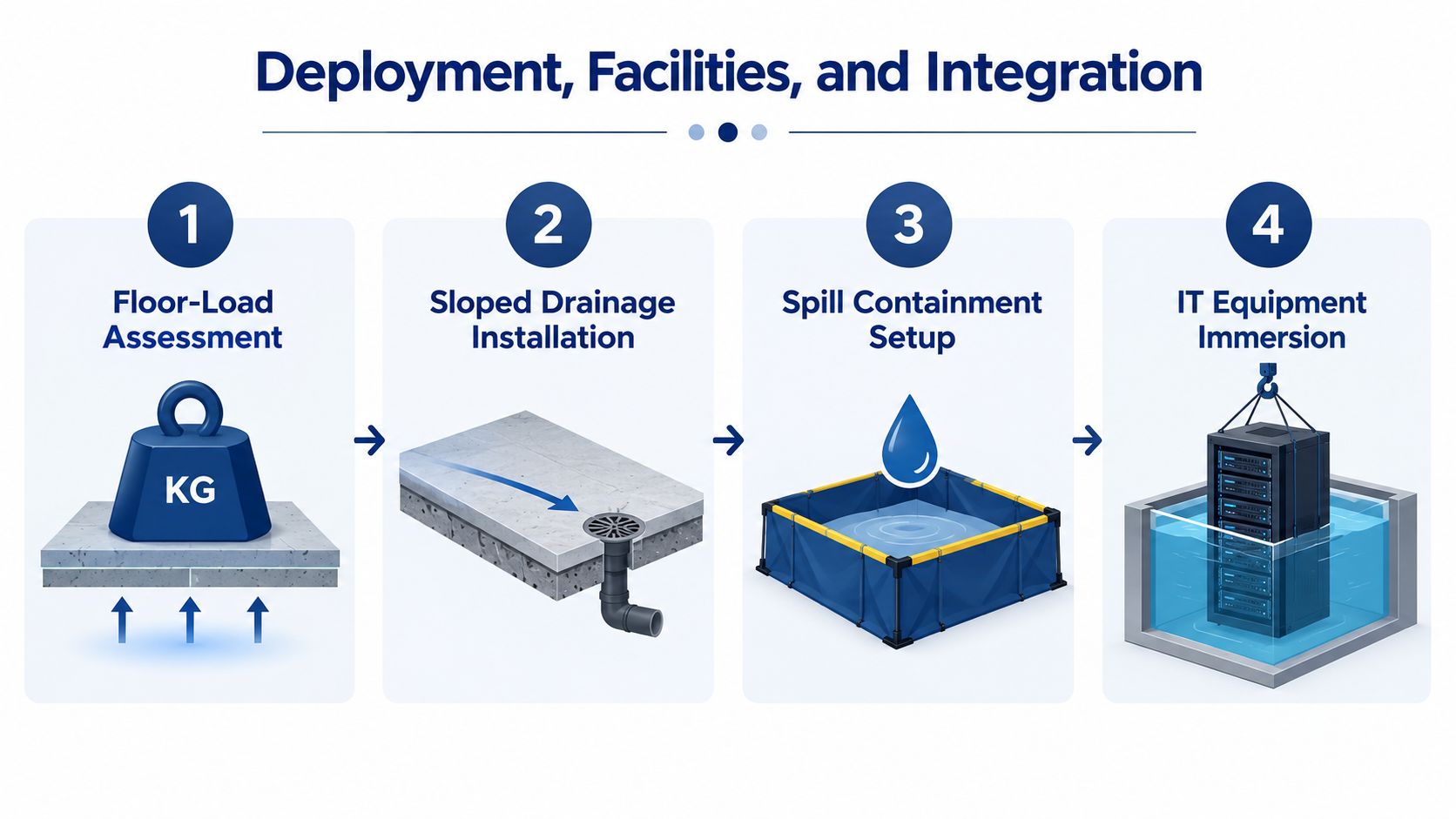
Immersion starts with civil and mechanical work, not server placement. Before equipment arrives, the facility team must confirm floor loading, drainage, spill containment, access routes, lifting methods, and the location of the heat-rejection equipment.
A sensible deployment sequence is:
Assess floor loading. Tanks filled with servers and dielectric fluid impose a different load profile from standard racks. Structural engineers should validate the slab and any raised-floor arrangement.
Install drainage and containment. Sloped drainage, bunding, leak detection, and fluid-transfer paths should be designed before commissioning.
Create a service corridor. A hall above 1MW generally needs dedicated access for tank servicing, fluid handling, lifting equipment, and safe component replacement.
Move cables above the fluid line. Power and network runs need revised cable management, sealed conduits where appropriate, and clear separation from tank access.
Connect the CDU stack. The tank loop needs heat-exchanger capacity, controls, pumps where applicable, filtration, alarms, and a defined interface with the facility cooling system.
Greenfield sites offer the cleanest result. You can design complete pods, coordinate power and cooling from the beginning, and reserve space for service work. Retrofit projects are more difficult because the existing hall remains live, the floor plan may not suit tanks, and operating teams must migrate workloads without compromising availability.
Power and network architecture
The power design often shifts towards overhead busbar and three-phase 415V feeds, with distribution arranged around the tank layout rather than a conventional row of air-cooled racks. The plan notes also identify the potential loss of in-rack UPS equipment once the cooling architecture changes, but that decision must be validated against the site's resilience design, server requirements, and electrical protection strategy.
Network design should favour optical top-of-rack connections where copper and switch placement create service or fluid-compatibility concerns. Cabling itself doesn't introduce a latency penalty when it's engineered correctly, but the switch and transceiver choices must be validated for the immersion environment.
GRC's newer CDU and cooling-rack work is relevant to colocation and edge deployments, where a full purpose-built hall may not be available. The regional market is also moving towards modular infrastructure, and this background on why modular construction transforms data centres is useful when comparing factory-built deployment with site-built modifications.
Operations must change with the hardware
A server swap now involves lifting a lid, managing fluid exposure, checking seals, verifying connectors, and recording the event. Your IT service management consulting model should update change requests, incident procedures, configuration records, maintenance windows, and asset status rules before the first production migration.
Greenfield deployment is simpler. Retrofit deployment demands a phased plan, tested rollback procedures, parallel-run validation, and a clear answer to one question: who is authorised to open a tank during a live service incident?
Compliance, Fluid Handling, and Operational Risk
Immersion cooling changes the risk register rather than removing it. Dielectric fluid avoids the electrical hazard associated with conductive liquids, while creating obligations for storage, spill response, disposal, transport, insurance, and environmental reporting. Review every proposed fluid against its GHS classification, safety data sheet, local waste rules, and end-of-life reclamation route before procurement.
Fire approval needs early attention. Engage the relevant UAE civil defence authority, or coordinate with SASO and local stakeholders in Saudi Arabia, before the design is finalised. Review applicable FM Global guidance and the facility's interpretation of NFPA 75/76. Then determine whether smoke detection, nitrogen blanketing, or another engineered protection method fits the site. A conventional water-mist design should not be transferred to an immersion hall without documented engineering approval.
Compliance and Risk Matrix for Single-Phase Immersion
Domain | Risk Level | Mitigation |
|---|---|---|
Fluid classification | Medium | Maintain current safety data sheets, handling procedures, inventory records, and approved disposal routes |
Spill response | Medium | Use secondary containment, leak detection, transfer equipment, spill kits, and trained responders |
Fire and civil defence | High until approved | Secure authority review, document deviations, and validate detection and suppression design |
OEM warranty | Medium to high | Obtain written compatibility and warranty terms for the exact server and component configuration |
Live migration | High during change windows | Use staged moves, tested rollback, parallel validation, and named technical authority |
Environmental reporting | Medium | Track fluid procurement, losses, recovery, reclamation, and disposal in the ESG audit trail |
Treat conversion work as a service-risk event. Server lift operations, fluid conditioning, and thermal validation can expose production services. The plan notes identify 2–4 hour server lift events. Use that figure as a scheduling assumption to validate with the integrator, not as a universal downtime commitment.
Control the unknowns before you scale: require a fluid-handling SOP, written OEM warranty confirmation, civil-defence sign-off, and a tested recovery procedure before production approval.
Insurance underwriters will request evidence of containment, detection, maintenance, training, and emergency response. Your operational resilience framework should capture these requirements alongside the compliance procedures outlined here. The same records support ESG reporting and operational audits.
Assign fluid top-up, reclamation, and eventual replacement in the lifecycle plan. Agree leakage assumptions, recovery methods, and disposal responsibilities contractually. Facilities staff should not inherit undefined environmental or financial exposure after commissioning. In GCC deployments, that ownership clarity matters as much as the cooling design because retrofit incidents can affect service availability, insurance terms, and approval timelines.
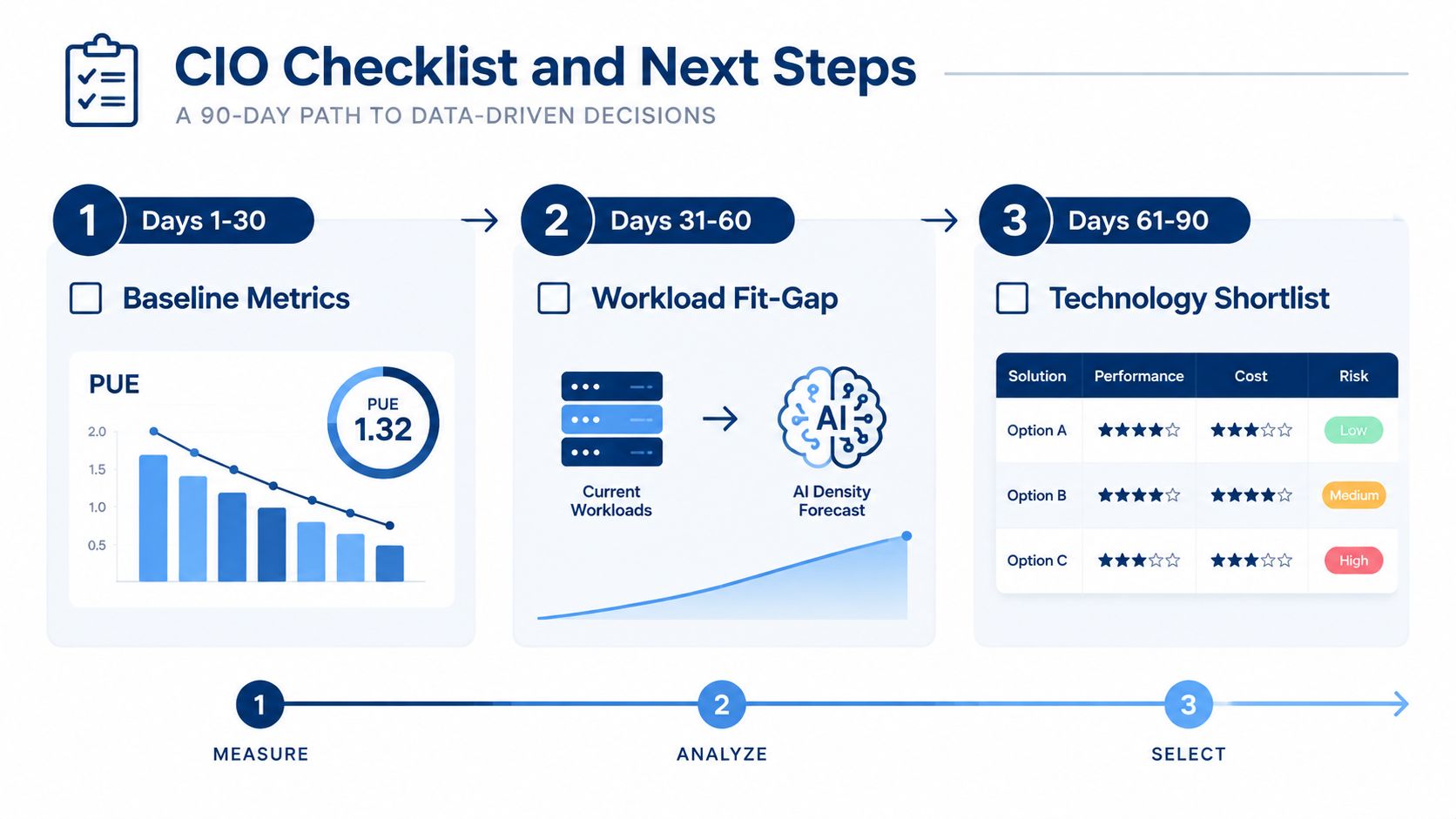
GCC Case Studies and Procurement Guidance
The GCC evidence should shape a procurement test, not serve as a vendor showcase. The UAE deployment reported by XDS gives buyers a named operating reference for questions about staffing, monitoring, maintenance windows, incident response, and measured service performance. Review the XDS deployment and expansion details before any site visit, then ask the operator to distinguish commissioned capability from planned capacity.
Use regional projects to verify four points:
Operational proof: request anonymised maintenance records, alarm histories, fluid test results, and examples of failed-component replacement.
Scale assumptions: ask how the design changes as rack density, GPU generation, workload mix, and hall size increase. A successful pilot does not prove that a full-hall deployment will perform the same way.
GCC serviceability: confirm who holds spares, who responds in the UAE and Saudi Arabia, and which tasks remain with the data-centre team.
Migration risk: require a tested procedure for server preparation, lift operations, rollback, and return to air cooling where the workload or hardware requires it.
Market analysis links UAE liquid-cooling adoption with high-density workloads, rack loads above 40kW, and operator targets for PUE below 1.2. Treat those figures as market context, not as a guaranteed result for your facility. Validate PUE boundaries, IT-load measurement, ambient conditions, pump energy, and auxiliary cooling in the acceptance test. (UAE data-centre cooling market analysis)
How I'd structure the RFI and RFP
Put GRC on the shortlist, then benchmark it against at least one European immersion supplier and, where appropriate, a direct-to-chip or hybrid design. Score the following ahead of equipment price:
PUE and thermal guarantees, with test conditions and measurement boundaries.
Fluid continuity, including approved substitutes, replenishment, reclamation, transport, and disposal.
Local support, including response coverage in the UAE and Saudi Arabia.
OEM compatibility, covering Dell, HPE, Supermicro, and the exact GPU configuration.
Responsibility split, including civil works, CDU installation, controls, commissioning, and facilities training.
Exit and expansion terms, so a pilot does not force an unsuitable full-hall architecture.
Use procurement process automation to keep evidence, approvals, scoring, and supplier responses auditable. Plan discovery through pilot over six months, with a full-hall migration horizon of 12 months where the facility and workload are ready. These are planning targets, not delivery commitments.
CIO Checklist and Next Steps
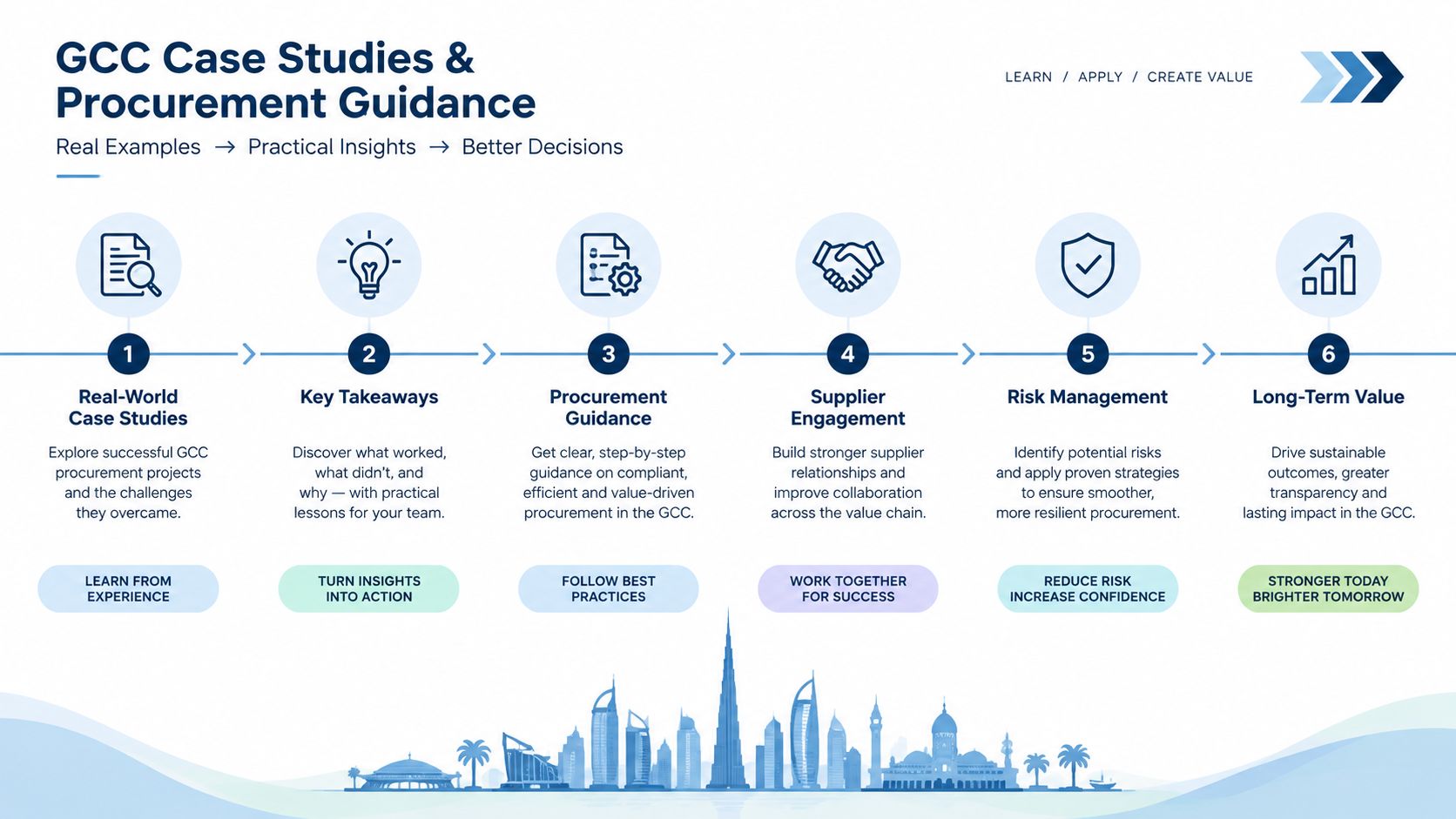
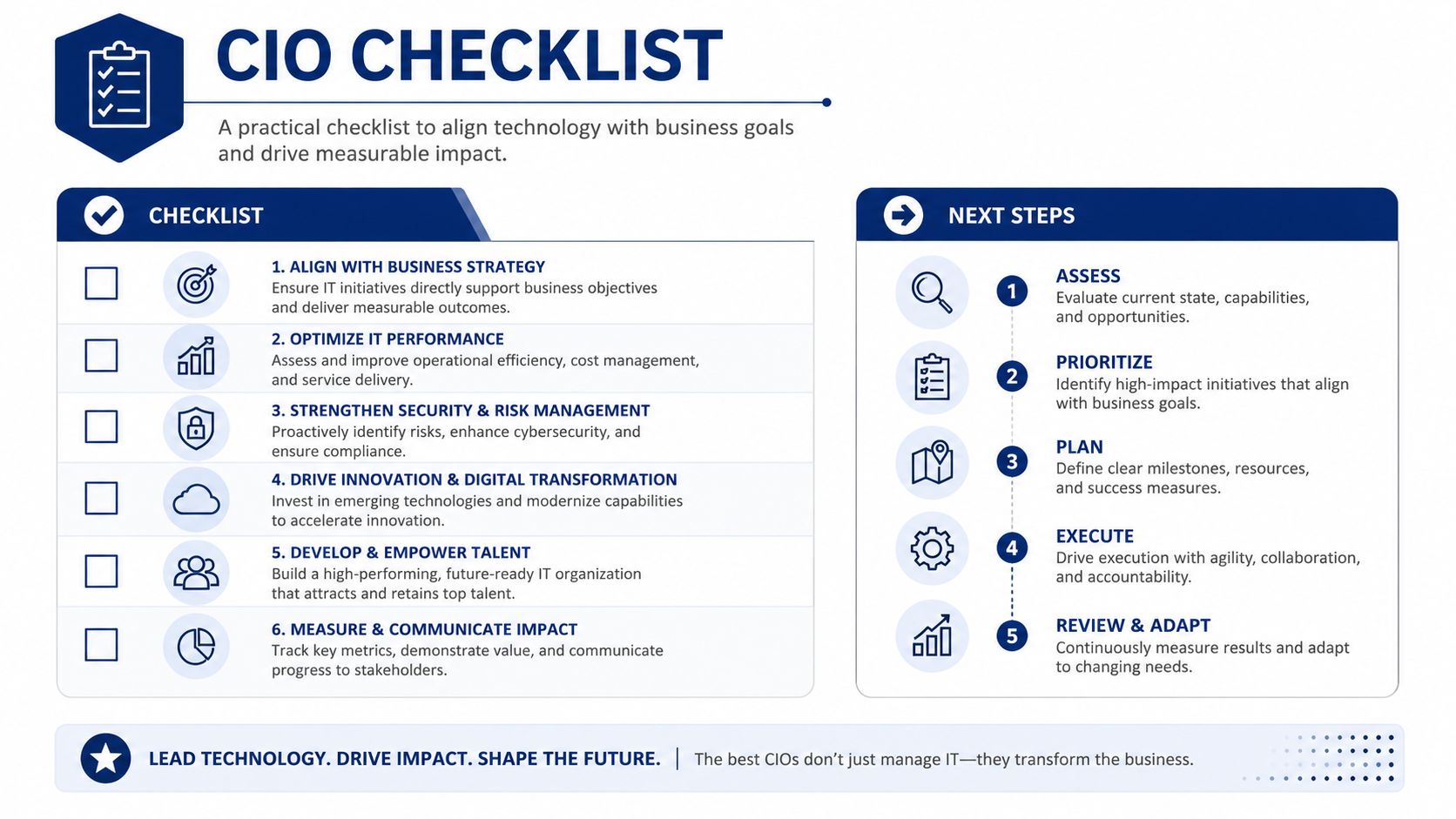
Run the decision as a gated infrastructure programme, not a vendor demonstration. The first 90 days should produce enough evidence for a board-level go or no-go decision.
Days 1 to 30 establish the baseline
Record current PUE, rack power, thermal alarms, cooling maintenance, available floor capacity, water exposure, and the workload profile of the proposed AI cluster. Separate measured data from assumptions. If your monitoring cannot identify cooling energy and IT load cleanly, fix that before comparing suppliers.
At the first gate, ask:
Is the target workload constrained by rack density or cooling capacity?
Can the facility support tank weight, drainage, containment, power, and service access?
Does the existing server fleet have written immersion compatibility approval?
Days 31 to 60 test workload fit
Run a fit-gap against the AI training and HPC roadmap. Define a 200–500kW pilot scope tied to one AI training cluster, then model the operating procedure for server preparation, migration, monitoring, component replacement, fluid testing, and incident response.
Shortlist GRC alongside two competing immersion or direct-to-chip or hybrid vendors. Compare the architecture, not just the brochure PUE. Ask each vendor to explain what happens when a GPU fails, a pump alarms, fluid quality changes, or the workload needs to move back to air cooling.
Days 61 to 90 select and govern
Before the final gate, pressure-test fluid supply, local service-partner coverage, OEM warranty terms, civil-defence approvals, insurance requirements, and the colocation partner's responsibilities. Align the pilot with ITSM change, incident, capacity, asset, and configuration workflows.
Set explicit gates at week 4, week 8, and week 12:
Week 4: baseline accepted and facility feasibility confirmed.
Week 8: workload fit, vendor evidence, and pilot economics approved.
Week 12: selected architecture, risk ownership, contract protections, and pilot governance signed off.
The board update should show measured baseline PUE, proposed rack density, pilot scope, capital requirement, operating assumptions, migration risk, service coverage, warranty position, and the conditions for scaling. It should also state what would stop the programme.
DataLunix offers GCC-focused discovery, vendor due diligence, pilot governance, civil-defence coordination support, and ITSM integration planning for immersion initiatives. Visit DataLunix to turn the GRC evaluation into an accountable procurement and operating-model decision, rather than another cooling technology presentation.